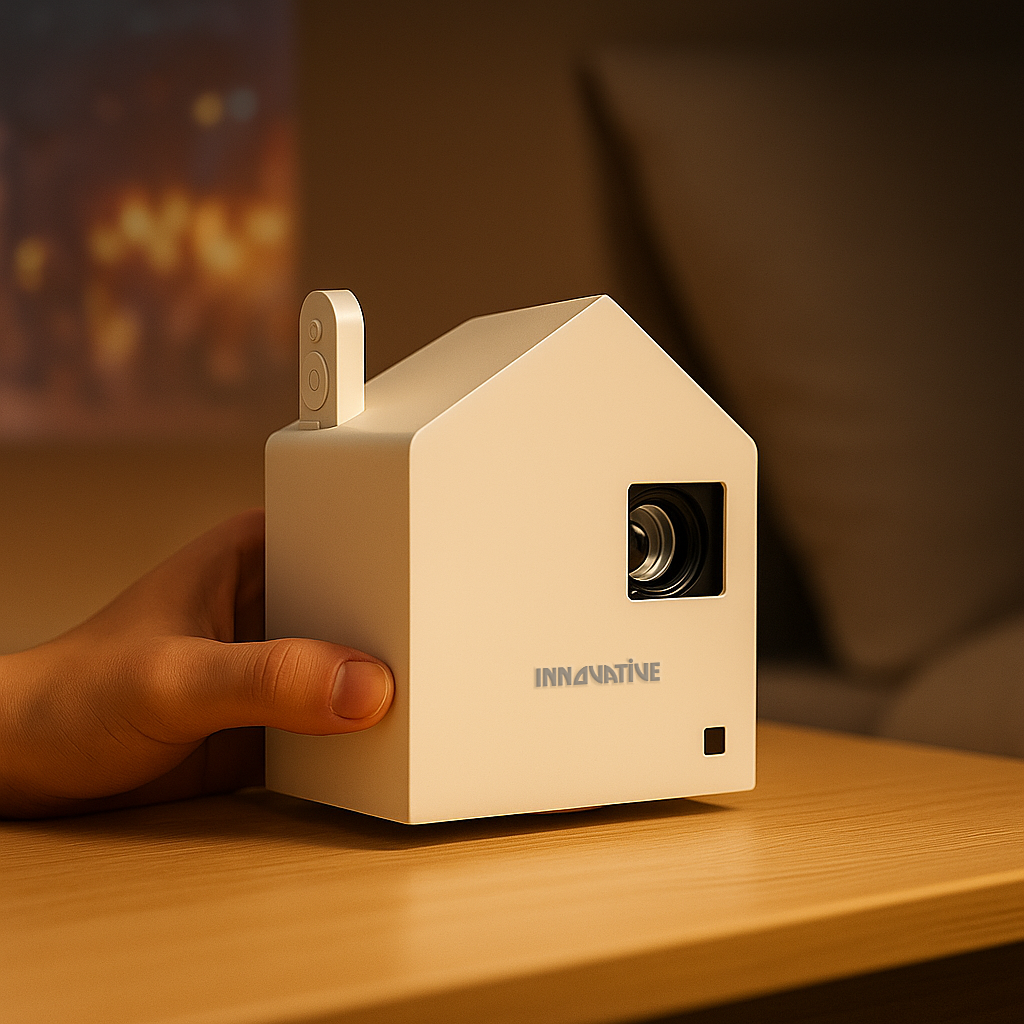

Why Side-by-Side Comparisons Can Mislead You When Buying a Projector
If you’ve ever shopped for a projector in a retail store, you’ve probably seen them: five or six models mounted on a ceiling, all projecting the same image side-by-side on a giant wall. At first glance, it feels like the perfect way to compare. You can instantly see which one looks brighter, sharper, or more colorful.
But here’s the truth: side-by-side showroom comparisons are often misleading — and sometimes the worst way to decide which projector to buy.
Let’s break down when this comparison method fails you, and what to do instead.
1. Store Lighting Favors the Brightest, Not the Best
Retail environments are usually bright. Overhead lights are on. Sunlight may be spilling in. This automatically favors projectors with high lumen ratings.
In these conditions:
- The brightest projector looks “better”
- Blacks look washed out on all models
- Subtle contrast differences disappear
But in a real home setup — where lighting conditions vary — what looks impressive in-store may not look the same at home.
A projector that seems dull in a bright store might actually perform more comfortably in your own space.
When side-by-side fails: When you're buying for a room that doesn’t match the showroom lighting.
2. Dynamic Settings Skew the Results
Most store demo units are set to:
- “Vivid” mode
- Maximum brightness
- Over-saturated colors
Why? Because it grabs attention.
But these modes often:
- Blow out highlights
- Crush shadow detail
- Push colors beyond natural tones
- Increase fan noise
If one projector is tuned aggressively and another is not, the brighter one will almost always stand out in a quick glance — even if it isn’t the better long-term choice.
When side-by-side fails: When demo units aren’t configured the same way.
3. They’re Not Projecting at the Same Size
Image size affects perceived brightness.
If:
- Projector A throws a 90” image
- Projector B throws a 120” image
Projector A will appear brighter — even if both models have similar output.
Most shoppers don’t notice this difference in stores.
When side-by-side fails: When screen sizes or throw distances differ.
4. Different Screen Materials Change Everything
Sometimes projectors are shown on:
- A shared wall
- A demo screen not representative of home use
- Different screen materials
Screen type dramatically affects brightness, contrast, and perceived sharpness.
A projector that looks stunning on a high-gain showroom screen may behave very differently on a matte wall at home.
When side-by-side fails: When the demo surface differs from your intended setup.
5. Motion Handling Isn’t Properly Tested
Side-by-side displays often loop:
- Static images
- Slow-moving demo clips
They rarely show:
- Fast sports
- Gaming responsiveness
- High-action scenes
Motion clarity and responsiveness matter a lot for certain users, and a static comparison wall won’t reveal those differences.
When side-by-side fails: When performance matters more than picture “pop.”
6. You Get Distracted by What Doesn’t Matter
Side-by-side setups often push buyers to focus on:
- Slight color differences
- Minor brightness shifts
- Tiny clarity variations
But what truly matters is whether the projector works well in your space and suits your habits.
The best projector isn’t always the one that stands out the most in a row — it’s the one that fits your real-world usage.
When side-by-side fails: When showroom impact replaces practical thinking.
7. Your Eyes Adjust Automatically
Human vision adapts quickly.
When viewing multiple images at once:
- Your brain compensates for brightness differences
- Color perception shifts
- Contrast feels relative rather than absolute
What looks “better” side-by-side may simply be the one that grabs attention fastest — not the one you’d prefer after watching a full movie.
When side-by-side fails: When quick impressions replace long viewing experience.
So What Should You Do Instead?
1. Know Your Room First
- How much ambient light is there?
- What screen size are you planning?
- Where will the projector be placed?
- What will you mostly watch — movies, sports, games, or casual TV?
Your environment shapes your experience far more than a retail wall comparison.
2. Try to See It Alone, Not in a Row
- Ask for a more isolated demo if possible
- Watch a scene you’re familiar with
- Spend a few minutes instead of a few seconds
A projector evaluated on its own gives you a clearer sense of comfort, balance, and realism.
Final Thoughts
Buying a projector isn’t like buying a TV.
- Projectors are highly dependent on room conditions
- Placement and surface affect performance
- Lighting environment changes perception dramatically
Side-by-side comparisons often reward the one that shouts the loudest — not the one that feels right over time.
In the end, the best projector is the one that works in your space, for your eyes, and for your habits.
Shop thoughtfully — not just side-by-side.