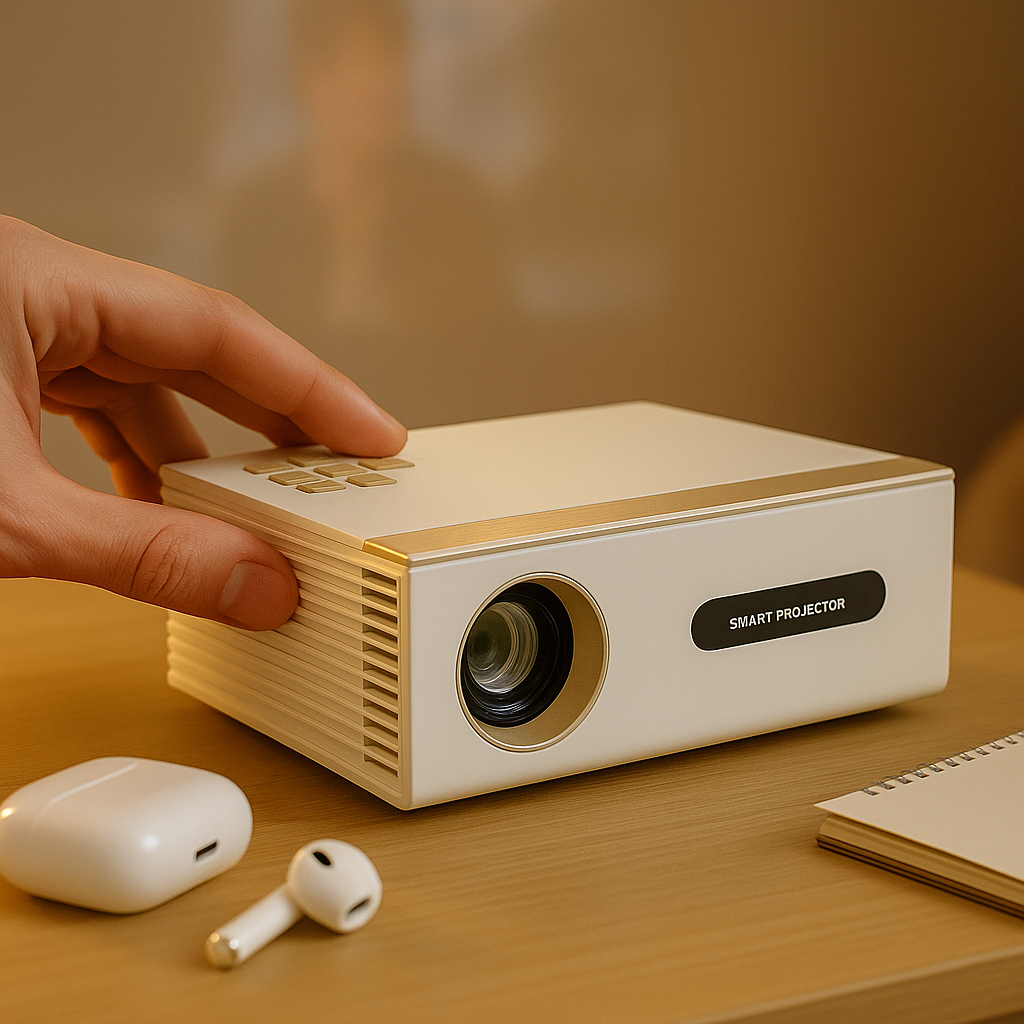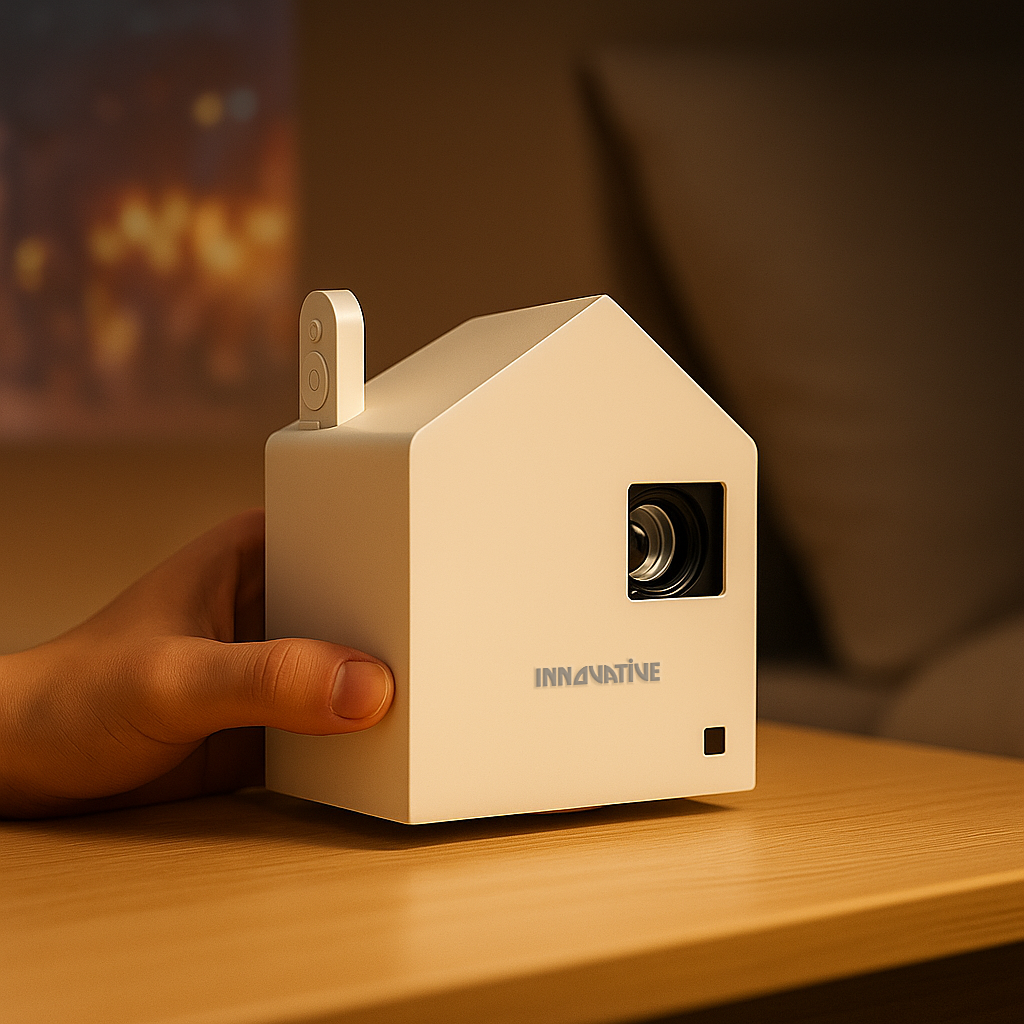

A bedroom projector can feel amazing on night one and frustrating by week two. The difference usually is not the projector itself. It is the setup. If you want to set up projector in bedroom properly, you need to think less about flashy spec-sheet claims and more about where it sits, what surface it hits, how dark the room gets, and how you actually watch.
Bedrooms are one of the best places for projection because they are naturally more controlled than living rooms. You can dim the lights, close the blinds, and create a comfortable viewing distance without dedicating a whole room to home theater gear. But bedrooms also have quirks. Bed placement limits projector location, wall space is often shared with dressers or windows, and nobody wants a tangle of cables running across the floor.
What matters most when you set up projector in bedroom
The first decision is not resolution or brand. It is layout. A projector that looks great in a showroom can become annoying fast if it only works from one exact spot in your room. Before you buy or move anything, stand in the bedroom and look at the wall you want to use. Measure the width of that wall, the distance from the bed, and the space available on a shelf, nightstand, wall tray, or ceiling.
This is where a lot of people get misled. They shop by advertised brightness or assume any projector can make any screen size from anywhere. Real-world performance does not work like that. Throw ratio, lens design, room lighting, and image quality all matter together. If a projector needs to sit too far back for your bedroom, or too close to avoid casting a shadow from your ceiling fan, it is the wrong fit even if the marketing sounds impressive.
In most bedrooms, the sweet spot is a screen size that feels immersive from bed without forcing you to move your eyes too much. For many setups, that lands around 80 to 100 inches. Bigger can work, but only if the wall is clean, the projector is bright enough for the room, and your viewing distance supports it.
Pick the wall before you pick the mount
The best bedroom projector wall is usually the one you face naturally from the bed. That sounds obvious, but people often try to force projection onto whatever wall is empty rather than the wall that gives the best viewing angle. If you are twisting your neck to watch, the novelty wears off quickly.
A plain white wall can work as a starting point, especially in a darker room. But walls are rarely as smooth or neutral as they seem. Texture softens detail, off-white paint shifts color, and even slight unevenness becomes more obvious on larger images. If you care about a cleaner picture, a proper screen is a better move than chasing exaggerated brightness claims. Screens improve consistency. They also help you define the image area so the room looks intentional instead of improvised.
If the bedroom gets ambient light from windows, hallway spill, or bedside lamps, screen choice matters even more. This is one reason complete-room planning beats one-box shopping. The projector, screen, and mounting position should support each other.
Wall, screen, or ceiling projection?
Wall projection is the simplest and cheapest, but it is the least controlled. A fixed or portable screen gives you a more reliable image and often better color balance. Ceiling projection, where the image goes above the bed, can work for some layouts, but it is more niche than social media makes it look. Looking straight up for a full movie is not comfortable for everyone, and mount placement becomes less forgiving.
For most people, front-wall projection is still the best balance of comfort, picture quality, and practicality.
Choose the right projector position
Once you know the wall and screen size, the next question is placement. Bedroom projector setups usually fall into three categories: shelf behind the bed, bedside or dresser placement, or a ceiling mount.
A rear shelf is clean and convenient if the projector has the right throw for the distance. It keeps the unit out of the way and often reduces visible cables. The trade-off is height. If the shelf is too high or too low, you may rely too much on keystone correction, which can reduce image quality.
Bedside or dresser placement works well for portable, wireless models and gives you flexibility to move the projector room to room. It is ideal for renters who do not want to drill into walls or ceilings. The downside is that furniture placement can limit image size, and people may walk through the beam.
A ceiling mount is the most polished option when you want a dedicated setup. It frees up surfaces, keeps the projector aligned, and helps create a true plug-and-play bedroom cinema. But it only makes sense if you are confident about the room layout. Ceiling mounting the wrong projector in the wrong spot just locks in a bad setup.
Be careful with keystone correction
Digital keystone is useful, but it is not magic. Many buyers use it to compensate for poor placement, then wonder why the image looks softer than expected. The best picture comes from placing the projector as straight and centered to the screen as possible. Think of keystone as a fine-tuning tool, not a plan.
Brightness in a bedroom is about honesty, not hype
A bedroom sounds like an easy environment because it gets dark. Often it is. But darkness is not the same as total light control. Streetlights, glowing alarm clocks, light curtains, and daytime spill from windows all affect perceived contrast.
This is why raw lumen claims can be misleading. A cheap projector may advertise huge numbers and still look washed out in an actual bedroom. Real-world brightness depends on usable light output, lens quality, and image mode, not just the biggest number on the box. A balanced projector with honest brightness and good contrast will usually beat an overhyped budget unit that looks harsh, soft, and dim once you stop watching marketing videos.
If you mostly watch at night with blackout curtains, you can prioritize image quality, portability, and convenience. If you want afternoon streaming in a brighter bedroom, you need more light output and a more thoughtful screen solution. It depends on your habits, not just the room.
Sound can make or break the room
People obsess over image size and then use weak built-in speakers from across the room. In a bedroom, audio matters because the room is smaller and more reflective. Tinny sound becomes obvious fast.
Some projectors have decent onboard speakers for casual watching, especially if the projector sits close to the bed. But if you want fuller movie sound, connect to a soundbar or compact Bluetooth speaker with low latency. Wireless convenience matters here. No one wants a bedroom setup that feels like an office conference room.
Just remember that Bluetooth audio can introduce lip-sync delay on some devices. Wired audio is often more reliable, though less tidy. This is one of those trade-offs where convenience and precision do not always line up perfectly.
Power, streaming, and cable control
The cleanest bedroom setups feel simple because they are simple. If your projector has built-in streaming or easy wireless casting, you can avoid extra boxes and long HDMI runs. Battery-capable models add even more flexibility for apartment dwellers or anyone who wants to move from bedroom to patio to travel without rebuilding the system.
Still, wireless does not mean thoughtless. You need stable Wi-Fi, a nearby power source if you are not relying on battery, and a realistic charging habit if you are. If you stream every night for hours, battery support is a convenience feature, not a full-time substitute for plugging in.
Cable management is worth planning from the start. A single visible power cable can be acceptable. A bundle of dangling wires usually means the setup was not designed around the room. Use the shortest practical cable paths and place the projector where it naturally fits your furniture.
A few bedroom setup mistakes to avoid
The biggest mistake is buying for specs instead of use case. The second is going too big too fast. A giant image sounds exciting, but if it forces awkward placement, poor focus, or washed-out brightness, it will not feel premium.
Another common mistake is ignoring fan noise. In a quiet bedroom, projector noise is more noticeable than in a living room. If you are sensitive to sound, placement matters. A projector directly next to your pillow may be technically convenient and personally annoying.
Finally, do not treat the screen as optional if you care about consistency. A bedroom projector setup is only as good as the surface it projects onto.
A well-planned bedroom projector setup should feel easy once it is installed. That is the goal. Not a pile of specs, not a temporary workaround, but a room that works with your habits instead of fighting them. If you build around real viewing conditions, honest brightness, and practical placement, movie night starts feeling less like a tech project and more like home.