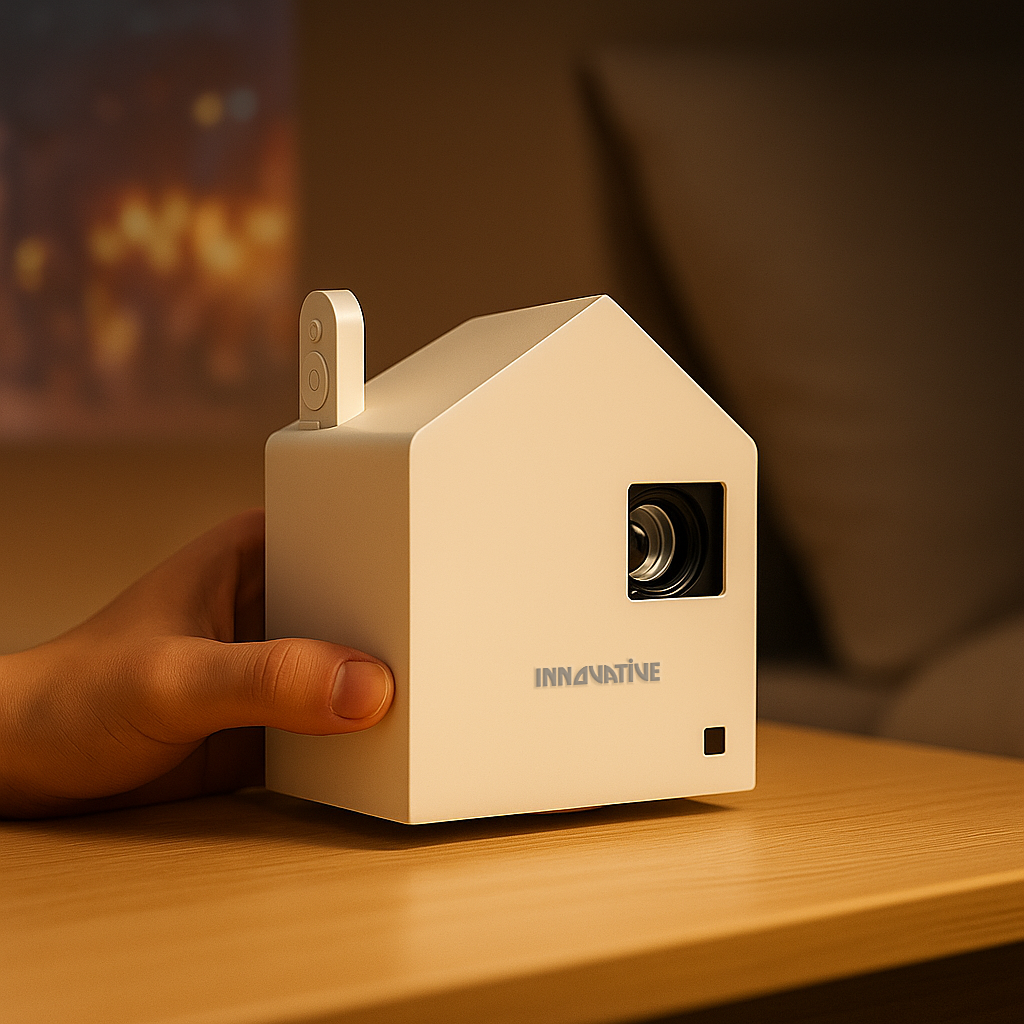

Sunday kickoff starts at 1, the blinds are half open, people are moving around the room, and nobody wants to watch the game in a cave. That is exactly where the search for the best projector for daytime sports usually goes wrong. Most buyers are told to chase the biggest lumen number they can find, but daytime sports is not just about brightness. It is about usable brightness, motion handling, screen choice, room setup, and whether the projector still looks good when the sun is doing what the sun does.
A projector that works beautifully for movie night can look washed out during an afternoon game. On the other hand, a projector marketed with wild brightness claims can still disappoint if the image is soft, colors are weak, or the setup only works in a very specific room. If you want a projector for live sports in real life, not in a dark-box demo, you need a buying framework that filters out the gimmicks.
What actually makes the best projector for daytime sports?
For sports, the job is simple to describe and harder to deliver. You need an image that stays punchy in ambient light, motion that looks clean when the camera pans across the field, and enough flexibility to fit your room without turning setup into a weekend project.
Brightness matters, but not in the lazy marketing sense. Inflated specs are everywhere, and they are one of the biggest reasons people end up disappointed. A projector can claim huge lumen output and still look mediocre because the number is measured in a way that does not reflect home use. Real-world brightness is what matters - how bright the image looks at the screen size you actually want, in the room you actually have, with the screen you are actually using.
Sports also exposes weaknesses fast. Fast motion, high-contrast uniforms, scoreboard graphics, and green turf make poor image processing obvious. If the projector struggles with motion or looks soft, you will notice it more with football, basketball, baseball, and soccer than with slower content.
Then there is placement. Many buyers want the image in a living room, media room, office lounge, or apartment common area, where windows and lamps are part of the deal. The best choice is usually the one that balances brightness with easy setup, low clutter, and a screen that helps reject ambient light instead of fighting it.
Brightness myths that hurt daytime sports buyers
The first myth is that the highest claimed lumen spec automatically wins. It does not. Many low-cost projectors throw around numbers that sound impressive but collapse in normal viewing. If the image only looks bright at a tiny size, in a cool color mode, or with poor color accuracy, that does not help you on game day.
The second myth is that brightness alone solves daytime viewing. It helps, but brightness without contrast control and a good screen can still leave you with a flat image. Daytime sports needs separation between whites, colors, and shadow detail. Jerseys should look distinct. The field should look lively, not gray-green. Graphics should hold up without blooming into the background.
The third myth is that a white wall is good enough. It can work at night. During the day, it usually gives away too much performance. If you are serious about sports in a bright room, the screen is not an accessory afterthought. It is part of the system.
Screen choice matters more than most people expect
If you are trying to build the best projector for daytime sports, pairing the projector with the right screen can improve the image more than jumping between two similar projector models. That is especially true in living rooms and multipurpose spaces.
Ambient light rejecting screens are often the smartest match for daytime viewing. They help preserve contrast and reduce the washout caused by light coming from windows or overhead fixtures. That does not mean every room needs an ALR screen, but if your setup lives in a bright shared space, it is one of the most practical upgrades you can make.
Screen size also deserves honesty. Bigger is not always better in daylight. A projector spreading its light across 150 inches will look dimmer than the same projector at 100 inches. For sports, a slightly smaller, brighter image usually beats a giant washed-out one. Most people are happier with a strong 100- to 120-inch image than a huge picture that loses punch by halftime.
Features that matter for sports and features that mostly don’t
A good sports projector should have enough real brightness for your room, solid motion performance, and decent input options for cable boxes, streaming devices, and game consoles. If you plan to move it from room to room, portability and fast setup matter too. Wireless convenience is useful, but only if the core picture quality is there first.
Resolution matters, but it is not the first thing to chase. For daytime sports, a bright, clear 1080p or properly implemented 4K image often beats a dim projector with a fancier spec sheet. Sports broadcasts themselves vary in quality, and the signal is not always pristine. What you notice first is clarity, brightness, and motion, not whether the spec page sounds luxurious.
Built-in battery power can be a nice lifestyle feature for portable viewing, tailgates, or moving between spaces, but it comes with trade-offs. Battery-capable projectors are convenient, yet dedicated plug-in models often deliver stronger sustained brightness. If your top priority is the brightest living room sports setup at 2 p.m., wall power usually wins.
Ultra short throw models can be excellent for bright-room viewing when paired with the right screen. They sit close to the wall, reduce cable clutter, and fit modern spaces well. The trade-off is that they tend to be more placement-sensitive and often work best as part of a complete setup rather than a casual move-anywhere projector.
How to choose the best projector for daytime sports in your room
Start with your room, not the product page. Ask how much uncontrollable light you have between noon and late afternoon. A room with one shaded window is very different from a sun-filled open-plan living space. If you can control some light with shades or curtains, your options open up. If not, you need a projector and screen combination built specifically for bright-room use.
Next, decide on your realistic screen size. Many buyers overestimate how large they can go during the day. If you want the image to hold up with lights on and people walking around, choose a size that preserves brightness. This is one of the least glamorous decisions and one of the most important.
Then think about placement and daily use. Are you mounting it permanently, putting it on furniture, or carrying it between rooms? A projector that looks great but becomes annoying to set up before every game is not the right fit for many households. Convenience matters because the best system is the one you actually use.
Finally, consider who is watching. Families, friend groups, and office teams usually benefit from a setup with wide viewing comfort, easy source switching, and no constant tweaking. Sports viewing is social. You want plug-and-play reliability, not a machine that needs calibration every weekend.
Best use-case fits, not one-size-fits-all answers
For a dedicated living room sports setup, a bright plug-in projector with a proper screen is usually the strongest answer. This gives you the most consistent daytime performance and the fewest compromises. If the room is especially bright, an ALR screen becomes even more valuable.
For apartments and shared spaces, a compact projector with strong brightness and easy room-to-room portability can make more sense than a larger fixed system. You may sacrifice some peak performance, but you gain flexibility, and for many people that is the smarter trade.
For offices, bars, lounges, and presentation spaces that also show sports, text clarity matters alongside video performance. That is where real-world testing matters more than ever. A projector that handles spreadsheets clearly during the week and games on Sunday is far more useful than one built around marketing hype.
If you want a curated path instead of guesswork, brands that organize projectors by real-life categories rather than spec-sheet theater are usually a safer place to start. That is one reason buyers come to innovativeprojector.com - to narrow choices by bright-room viewing, small spaces, portability, and practical setup needs rather than by inflated claims.
The smartest way to avoid a bad buy
If a projector looks too cheap for the promises it is making, be skeptical. Daytime sports is one of the hardest jobs for any projector, and bargain models are often exposed quickly in this use case. The image may be technically visible, but visibility is not the same as enjoyable viewing.
Look for evidence of real-world testing, honest discussion of room conditions, and guidance that includes the screen as part of the recommendation. Trust sellers who explain trade-offs. If someone claims every projector is perfect for bright-room sports, they are selling fantasy.
The good news is that big-screen daytime sports is absolutely possible now. You just need the right combination of projector, screen, and expectations. Buy for the room you live in, not the lab conditions in an ad, and game day gets a lot better.