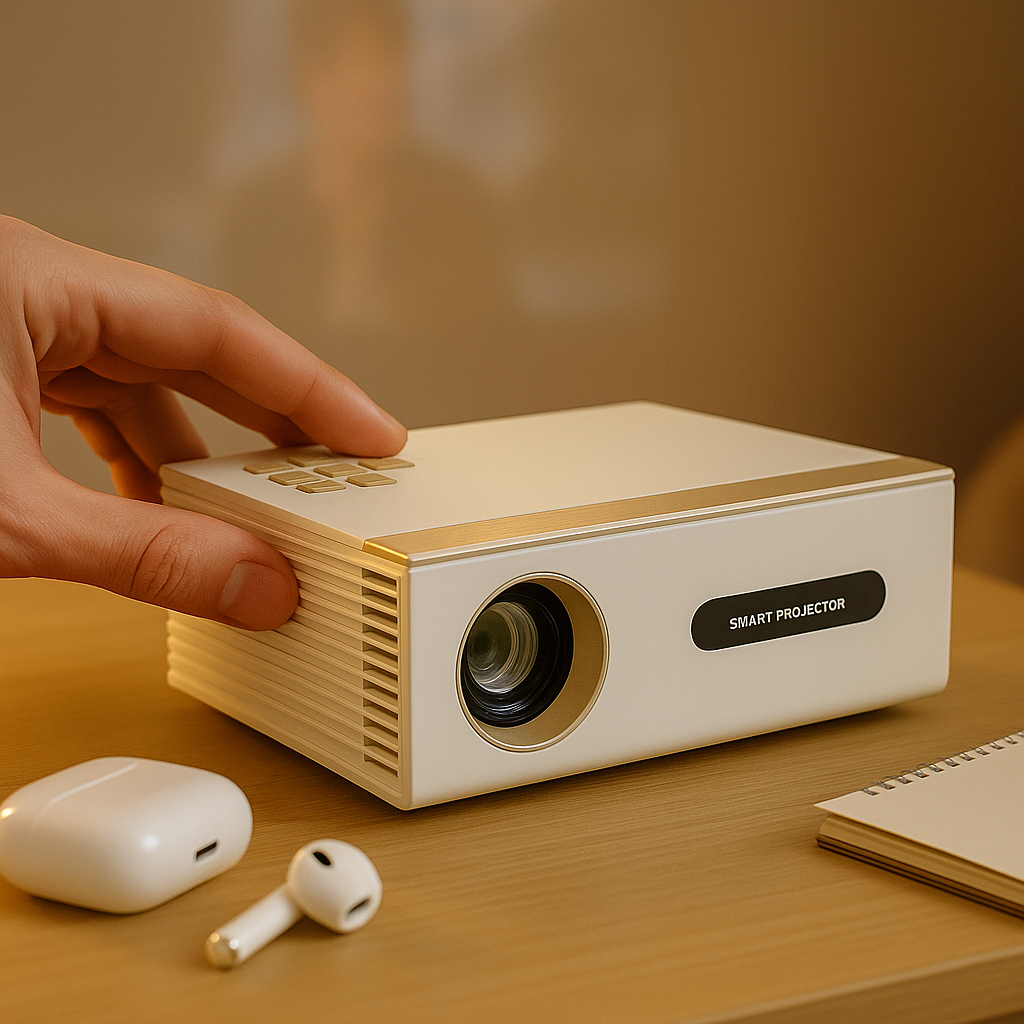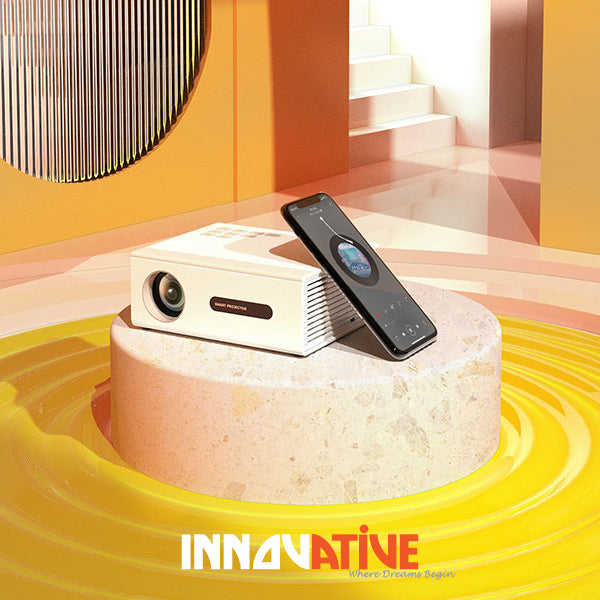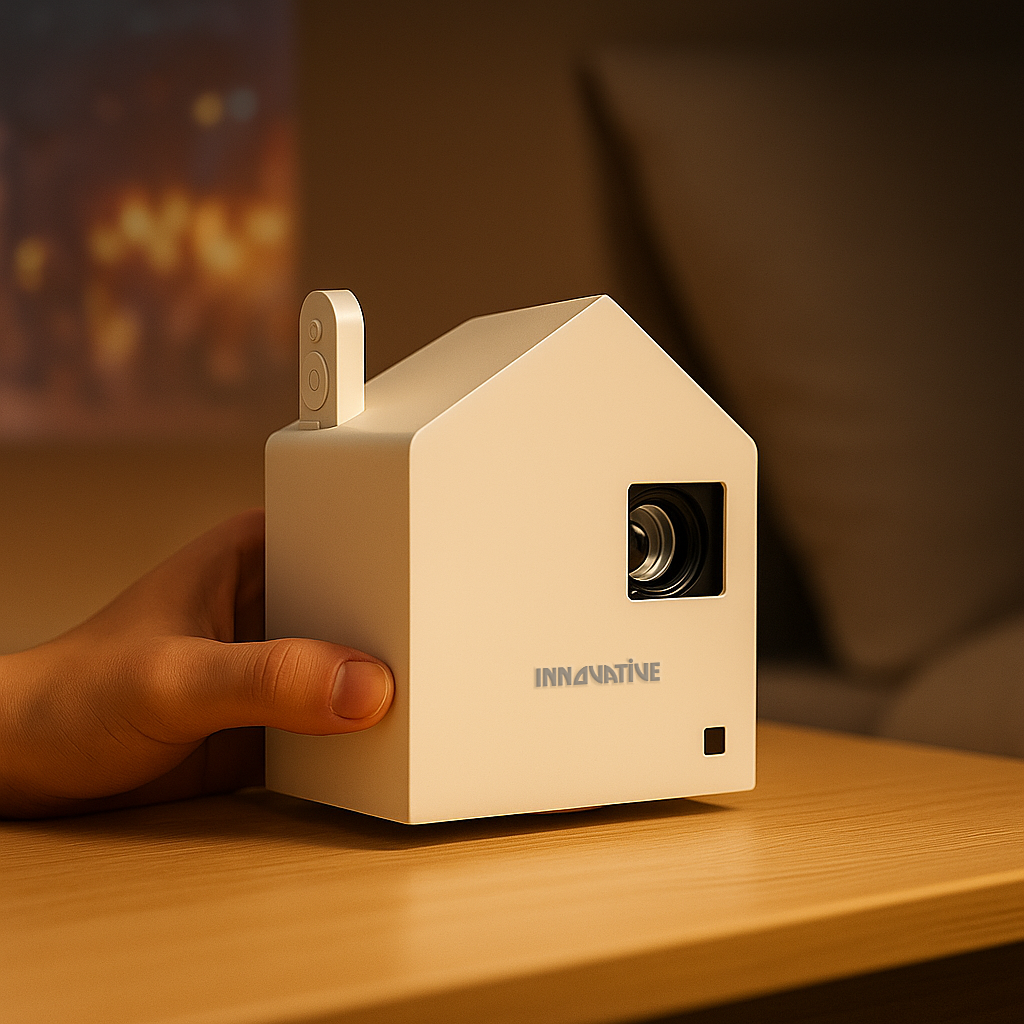

A lot of people ask are laser projectors worth it right after seeing two wildly different prices on what looks like the same category of product. One model is cheap enough to feel disposable. Another costs real money and promises laser light, better color, longer life, and fewer headaches. The truth is simple: laser projectors can absolutely be worth it, but only if you care about the things laser actually improves in real-world use.
If you are buying based on inflated lumen claims, fake side-by-side comparisons, or a spec sheet that skips over image processing and text clarity, you can still overpay. Laser is not magic. It is a light source. What matters is how that light source performs in your room, for your content, and on the screen size you actually want.
Are laser projectors worth it for most buyers?
For many buyers, yes. For every buyer, no.
Laser projectors tend to make the most sense for people who use their projector often, want fast startup, care about consistent brightness, and do not want to think about lamp replacements. They are especially appealing in modern setups where convenience matters - bedroom cinema, living room streaming, portable room-to-room use, office presentations, and near-wall setups where people want a cleaner, simpler system.
Where laser can be less compelling is occasional use. If you only project a movie a few times a year in a fully dark room, a lower-cost option may be enough. Paying more for laser does not automatically mean you will see a dramatic difference every single night. The value shows up over time, in convenience, longevity, and more dependable image performance.
What laser really changes
The biggest advantage is not hype-friendly specs. It is the ownership experience.
A laser light source typically lasts far longer than traditional lamps. That means less maintenance and more predictable performance over the life of the projector. You also get quicker on and off behavior, which sounds minor until you use it every day. For living rooms, bedrooms, classrooms, and offices, that speed matters. It feels more like using a TV and less like operating a finicky piece of equipment.
Laser models also tend to hold brightness and color stability better over time than lamp-based projectors. That matters for daytime viewing, sports, presentations, and family use, where the projector is expected to work without constant tweaking. If your goal is a big screen that fits modern life, laser often earns its premium.
Brightness is where buyers get misled
This is the part the market gets wrong all the time.
Many buyers assume laser means dramatically brighter. Sometimes it does. Sometimes it does not. Brightness depends on the projector design as a whole, not just whether it uses laser. A mediocre laser projector can still look weak in a bright room. A better-engineered projector with honest brightness ratings and proper image tuning can outperform a spec-sheet darling with inflated numbers.
That is why real-world testing matters more than marketing claims. You are not buying lumens on a product page. You are buying watchability. Can you see a clear, punchy image in your room, at your screen size, with the lights used the way you actually live? That is the standard.
Color and contrast can improve, but not automatically
Laser systems often deliver strong color performance and a more vibrant image, especially in higher-quality models. But again, laser alone does not guarantee a cinematic picture. Processing, optics, contrast performance, and screen pairing all matter.
This is where cheap projector brands create confusion. They borrow premium terms, attach them to weak hardware, and make buyers think all laser units are roughly equal. They are not. A well-made laser projector can look fantastic. A low-end one can still produce washed-out blacks, poor motion, and soft detail.
When are laser projectors worth it the most?
They make the strongest case in a few specific scenarios.
If you want a living room projector, laser is often worth it because that space is rarely a perfect blacked-out theater. You need more usable brightness, quick setup, and a projector that handles regular daily viewing. The same goes for bright bedrooms, shared family rooms, and apartments where the projector may need to move from one place to another without turning setup into a chore.
Laser also makes sense in ultra short throw and near-wall systems. Those setups are often chosen for convenience and clean design, so a long-life light source and fast startup fit the whole point of the installation. Pairing the projector with the right screen matters here even more than people realize. In brighter spaces, a proper ALR screen can have more impact on perceived image quality than chasing a bigger number on a spec sheet.
For office and education use, laser can be an easy yes. Reliability, text clarity, and repeatable brightness matter more than flashy marketing. If people are presenting spreadsheets, slides, and dashboards several times a week, they benefit from a projector that turns on fast, stays consistent, and does not become a maintenance problem.
When laser may not be worth the extra cost
If your room is fully dark, your usage is light, and your budget is tight, laser may not be the first place to spend more.
In some setups, the smarter move is putting money toward overall system quality instead. A better screen, the right mount, proper placement, or a projector with stronger native image performance can matter more than the jump from lamp to laser. Buyers sometimes fixate on the light source and ignore the actual experience. That is backwards.
There is also a simple reality: not every laser projector is priced fairly. Some models charge a premium for the word laser while delivering average sharpness, weak black levels, or poor software. If the rest of the projector is mediocre, the laser badge does not rescue it.
Are laser projectors worth it for home theater?
For many home users, yes - especially if the projector is replacing casual TV watching, not just occasional movie night.
A laser projector fits the way people watch now. Streaming, sports, gaming, and room-to-room flexibility all reward faster startup and lower maintenance. If you want a projector that feels easy to live with, laser has real value.
But home theater buyers should still think in categories, not buzzwords. A bedroom projector has different needs than a premium living room cinema setup. A small-space near-wall projector has different priorities than a large dedicated theater room. The right answer depends on throw distance, ambient light, desired image size, and whether you need battery capability, wireless convenience, or serious daytime performance.
The real buying framework
A better question than are laser projectors worth it is this: worth it for what?
If you want a projector for frequent use, flexible placement, family-friendly convenience, and consistent long-term performance, laser is often a smart upgrade. If you need stronger bright-room usability or a more polished daily-use experience, it can be money well spent.
If you are shopping at the low end and hoping laser alone will solve every weakness, it probably will not. Image quality still comes from the complete package: honest brightness, good optics, proper processing, usable contrast, clean text rendering, and the right screen for the room.
That is why scenario-based shopping works better than spec-driven shopping. Think about where the projector will live, how often you will use it, what you will watch, and whether the room is dark, mixed-light, or daytime bright. Then judge the projector as a full system, not a buzzword.
At INNOVATIVE Projectors, that is the standard we push because it protects buyers from the usual traps. The best projector is not the one with the loudest claims. It is the one that performs the way your life actually works.
So, are laser projectors worth it? Yes, when you want a projector that feels less like a compromise and more like a dependable part of everyday viewing. Just make sure you are paying for real performance, not just a shinier label. The smartest upgrade is the one that still makes sense after the marketing wears off.